

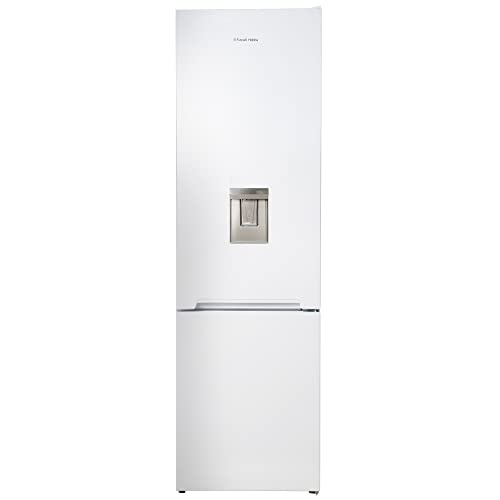
Fridge Freezer No Frost
Fridge freezer no frost is a modern technology that stops the accumulation of frost inside your fridge and freezer. This allows you to spend less time clearing your freezer and fridge.
The freezer in the fridge without frost makes use of cooled air circulating to disperse and condense humidity. This means that you won't have to defrost the fridge every five to six times per year.
No ice buildup
If food is properly stored in a refrigerator, the humidity and moisture from hot food items are trapped in the sealed container. This is what causes frost to form as time passes. You can avoid the buildup of frost by always waiting for hot food to cool before putting it in the freezer. Also keeping your food in airtight containers or bags can help. Don't overfill your freezer. Overcrowding may hinder the flow of cold air and trigger the formation of frost.
You can stop the buildup of ice in your freezer by regularly cleaning it. Clean the interior of the refrigerator and the door gasket. A dirty or torn gasket can allow warm air to seep in, triggering frost. You can also conduct an easy test by placing the paper (a dollar note is ideal) half inside the freezer, then closing it. If the paper is pulled out easily, it means that your gaskets aren't sealing tightly enough.
Freezers for your refrigerator that have no Frost are designed to prevent ice buildup by using cool circulating air that is able to freeze your food. This is a great option for those who wish to keep their frozen foods fresh and delicious as possible. But, you must clean out your freezer regularly to get rid of any spills and staining.
If you're not able invest in a No Frost fridge freezer, there are models with Low Frost that reduce ice buildup as well. However, you will have to defrost your freezer about 1 to 2 times a year. You can opt for one with an automatic defrost feature if you do not want to manually defrost it manually.
No ice on your groceries
A fridge freezer can serve many functions to keep your food and drinks fresh. If your freezer isn't functioning well, you might notice that your groceries are lacking ice. This could indicate the fridge is having issues with its freezer or a leak. If you're not sure of the best way to fix the issue, it's recommended to speak with an appliance expert.
The most common reason for a freezer not making ice is a poor door seal. This could let warm air in the freezer, which causes frost to form. This problem can be fixed by replacing the gasket seals on the door of the freezer.
Another reason for freezing not producing ice is an overly crowded freezer. If there's too much food in the freezer, it can obstruct the circulation of air and hinder the freezer from reaching the right temperature. It is crucial to ensure that the freezer is not overloaded when it is stocked with food.
Fridge Freezers with Frost-free technology do not require manual defrost, which can save your time and money. The No Frost system circulates dry cold air throughout the freezer compartment and fridge, ensuring that the freezer compartment is free of frost, and this will help protect your food and drinks longer.
The forceful removal of the ice is not recommended because it could harm the interior of the freezer. You should unplug the freezer to allow any frost or ice to melt. This process can take a few hours, so plan accordingly. In addition, be sure to disconnect the freezer prior to cleaning it to prevent electric shock.
No Ice in the drawers
The gasket on the door of the freezer isn't sealing properly. This can allow warm humid air to get into the refrigerator. Close the freezer door and then pull up the seal. If the paper pops out easily the seal isn't sufficient and should be replaced. If you're sure you're able to do it yourself. In other cases, it's recommended to hire an appliance professional.
The defrost process isn't working. The cooling of the freezer will naturally collect condensation of moisture on the evaporator coils and drain it back to a tray at the rear of the fridge (usually). If this isn't happening then the defrost system could have a problem.
There's a ice blockage in the ice chute. This is a common problem. You'll need to get rid of the ice blockage to let the ice maker work correctly. To avoid this issue, you'll need to regularly clean the ice chute.
If the freezer is not cold, the issue may be with the power supply. Try connecting a different device into the outlet to see whether it works. If power isn't flowing to the refrigerator, contact a repair service right away.
Fridge Freezers that do not have Frost do not require manual defrosting. This can save you time and money. This technology has its own advantages and disadvantages. If you're considering buying a No Frost refrigerator freezer, it's worth considering.
No Ice on the back wall
The reason you don't see no ice on the back of your freezer is because it has a built-in defrost system. It may be necessary to take off the ice occasionally. The evaporator coils warm up frequently and melt any frost that has built up on them. This water runs through the drain tube and into the pan that is under the freezer. The freezer will then evaporate water into the air, preventing a mess and lessening the need to manually defrost your appliance.
You can also prevent frost accumulation by limiting the amount of time you open your freezer door. The humidity can build up in the room when it's humid, especially if you open and close the door often. Make sure that nothing is blocking the gaskets on your doors of the freezer and refrigerator. If the seal gets damaged or worn down, it can let humidity in and cause frost to form.
The most frequent cause of freezer frost is the introduction of warm air. This can happen if you leave the door of your freezer open for too long or when the freezer is located close to a heat source such as furnace or heater. This problem can be avoided by keeping the refrigerator away from heat-emitting devices and making sure that the temperature is set properly. If your refrigerator isn't producing enough cold-air it is recommended to replace the compressor or thermostat. Finally, you can also clean the condensate drip pan. frost free small fridge freezer is usually located in the bottom of the freezer or on the side of the fridge. It is best cleaned with an solution of one tablespoon baking soda in warm water.
Slightly louder
Fridge freezers tend to make a few sounds from time to time but if they suddenly become noticeably louder, it could indicate a problem. Humming, buzzing or rattling noises are usually the result of an air compressor that requires to be replaced. This is because the compressor is the heart of your fridge's cooling system and will begin to work less efficiently as it gets older.
A rattling sound could also be the result of loose rods or screws inside the fridge freezer. You can determine where the noise comes from by opening your fridge and looking around for any rattling items. You can try to tighten loose items to stop the noise.
Another reason for loud refrigerator noises is that the drip pan in your freezer might require cleaning. If the drain tube is blocked it can be cleaned easily by taking out the refrigerator drawers and cleaning the drip pan with baking soda and hot water.
If you hear sizzling noises in your freezer, it's likely to be due to thermal expansion or contraction. This happens when ice melts, then falls onto the defrost heat, and produces popping sounds.
Fridge freezers without frost also produce a similar sound when their temperature sensors detect that the fridge isn't cold enough. If you hear this sound, you must examine the temperature settings and make sure that they are at the correct level. This could be due an issue with the sensor. It is best to contact an repair service for your appliance.